
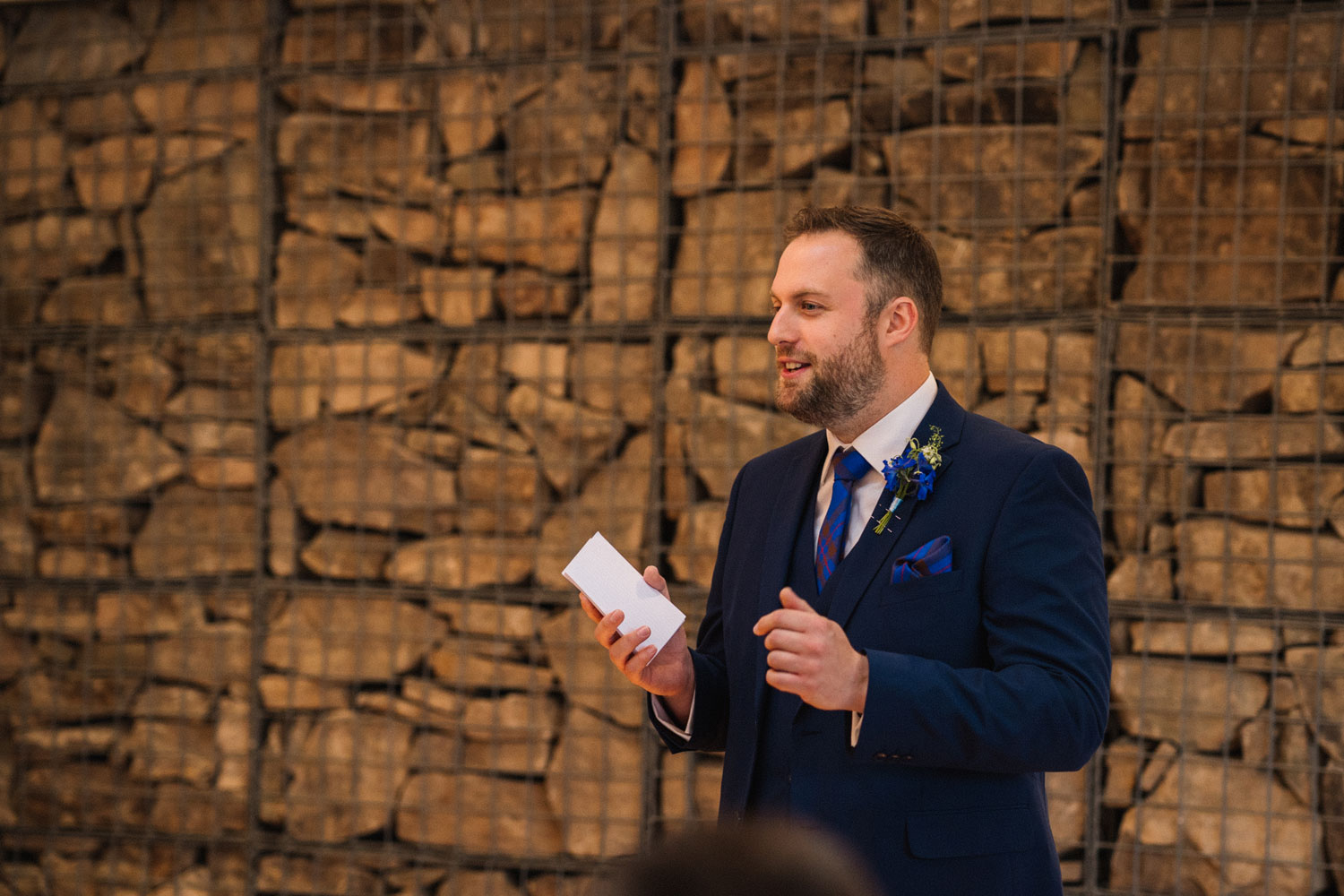
Presentation to deliver at work or a best man speech? But you struggled to write speech out by hand and then learn it traditionally? Then don’t. Think about your speech while driving the car, having a shower, riding a motorbike. Talking out loud will give you a feel for how it will sound to your audience. Then use the audio notes app on your phone to record some initial ideas. Start making bullet points – you will be surprised how the speech starts to fall out of you and you can use the bullet points as prompts to refine your speech. This is how I approach my speechwriting now. Maybe a few scraps note here and there then work though it in my head, speaking out loud and refine it from there

Episode 69 – The Origins of Assistive Technology and Entrepreneurship with Martin McKay
Discover the origin of assistive technology transforming the lives of dyslexic individuals worldwide in this podcast episode featuring Martin, the CEO and founder of texthelp. Initially created to aid his father’s communication post-stroke, texthelp now develops assistive technology software for dyslexia across various computer applications. Martin, honored with the EY Entrepreneur of the Year 2022 award, is dedicated to empowering dyslexic individuals in the workplace and assisting employers in supporting their dyslexic colleagues. The impact extends beyond leveling the playing field for dyslexics, as this technology enhances productivity for neurotypical colleagues as well. By overcoming typical dyslexic challenges, assistive technology allows individuals to leverage their unique strengths. Key topics include strokes, computer software, assistive technology, and supporting dyslexic individuals in the workplace.